In the spotlight
This auction features a number of unique items that you can bid on via Biddr!
Auction · December 5, 2026
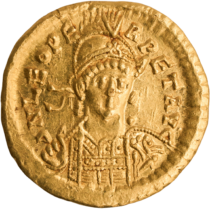
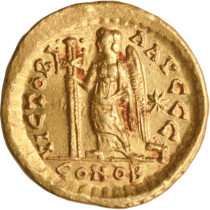
Solidus Leon I, Eastern Roman Empire (Byzantine Empire), Constantinople (457–468)
€475.00
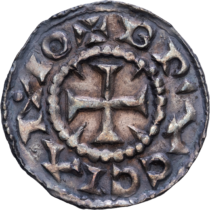
Auction · December 5, 2026
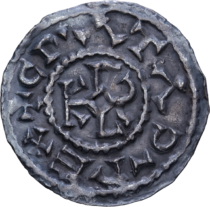
Denier Charles the Simple (896–922), Carolingian dynasty, Bruges
€700.00
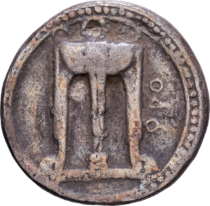
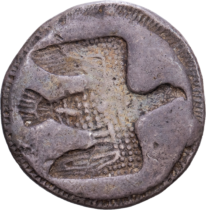
Auction · December 5, 2026
Stater from Bruttium, Croton (Greater Greece, c. 480–430 BC)
€200.00
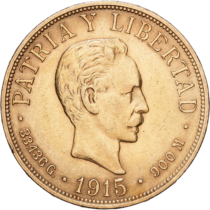
Auction · December 5, 2026
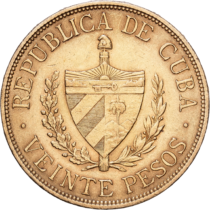
20 pesos, 1915, José Martí, Cuba, Philadelphia
€3,200.00
Now in the spotlight: the Moens collection
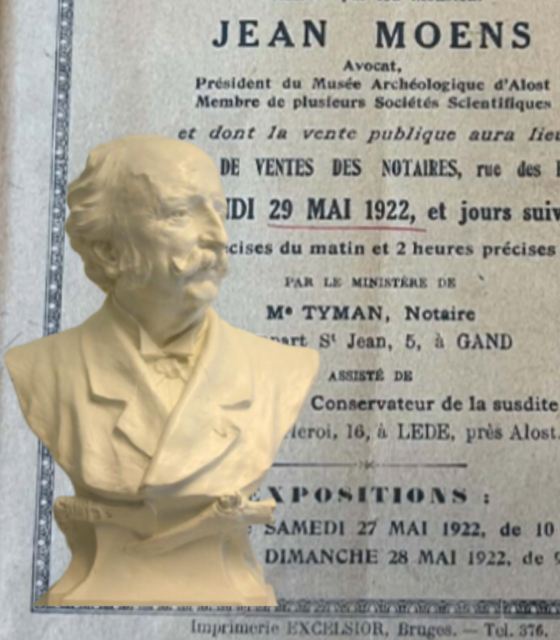
Jean Moens was born in Lede on 23 March 1841 and died there on 9 January 1922. By profession, he was a Doctor of Laws and a solicitor, but his passion lay primarily in the past. He remained unmarried and, as a local historian put it, was able to devote himself to his hobby like a monk. The results were impressive: he founded two museums and published his *Promenade archéologique* in 1904–1905.
His method was as direct as it was effective. When the Scheldt was straightened near Wichelen in 1892, and later during dredging works in Wichelen, Schellebelle and Grembergen, Moens stood by the dredgers to buy finds directly from the workers. In addition to excavations, Moens also purchased a great many coins at auctions. After his death, a large proportion of these archaeological treasures disappeared into museums in Aalst and Brussels. In May 1922, at least 1,500 objects were auctioned by Philippe Duprez, the curator of his private museum. But anyone leafing through the catalogue will search in vain for coins. Where had they gone?
The answer: they remained in the family. The coins stayed with the heirs for decades, and as a result, the accompanying paperwork was also preserved. Moens mainly collected coins from the Burgundian and Spanish Netherlands, with a clear preference for the Bruges mint. In addition, he purchased jetons, tokens, prison coins, coins from antiquity and the Middle Ages and, from the late 1890s onwards, Greek staters as well. He acquired the bulk of his collection in 1874, 1875 and 1876, at auctions in Ghent, Brussels, Antwerp, Leuven, Tournai and Paris. He was a regular customer at Verhulst and Vyt in Ghent and at Olivier and Dupriez in Brussels.
The Moens Collection
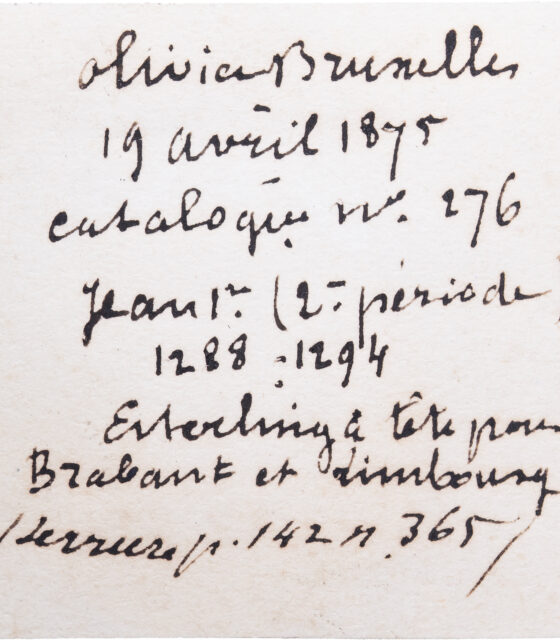
The Moens collection will be auctioned in the first two auctions organised by Numis by The House. This unique 19th-century collection tells the story of a 19th-century collector. His notes also provide some crucial insights and conclusions about collecting in the 19th century. You can read about these insights in this article, which will also appear in the EGMP yearbook in 2027. On the notes accompanying his coins, he recorded what he knew and where each piece came from. Our numismatist, Robbe Devriendt, read them one by one and uncovered the story behind each coin. As a result, this has become an auction where you not only buy, but also discover.
- Catalogue available online from 30 October 2026 on Biddr
- Viewing days: from Monday 23 to Saturday 28 November 2026, from 10 am to 5 pm, by appointment
- Auction day: Saturday 5 December 2026, starting at 10.00 am
In the spotlight
This auction features a number of unique items that you can bid on via Biddr!
Auction · December 5, 2026
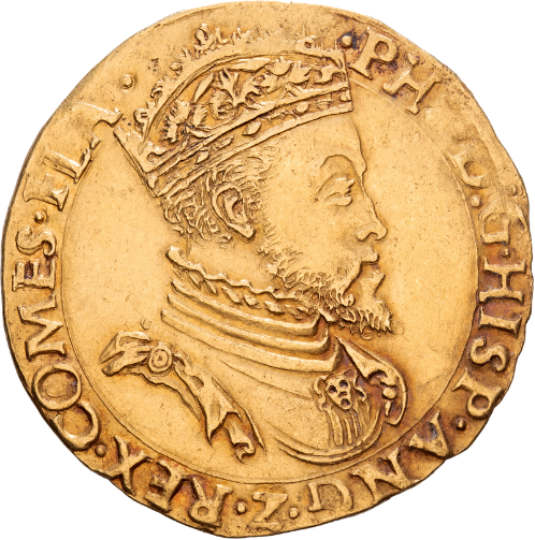
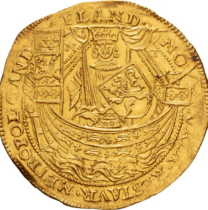
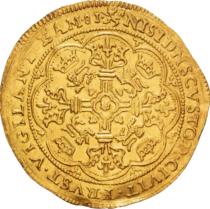
Au – Golden Nobel 1581: Ghent in revolt against Philip II (1581–1584), County of Flanders, bearing the coat of arms of Francis of Anjou (fleurs-de-lis)
€2,500.00
Auction · December 5, 2026
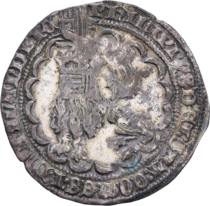
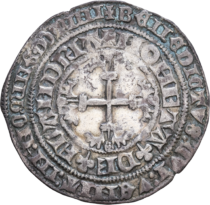
Double large 1384 (Barrel carrier) Philip the Bold, County of Flanders, Mechelen.
€500.00
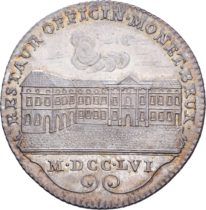
Auction · December 5, 2026
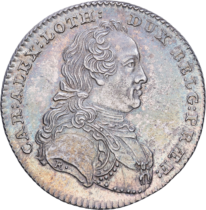
Token of the Southern Netherlands, 1756, Roettiers: restoration of the Brussels Mint
€300.00
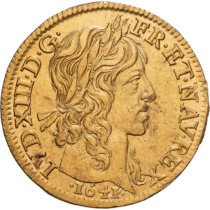
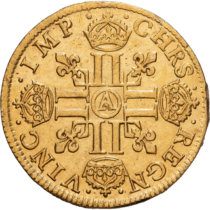
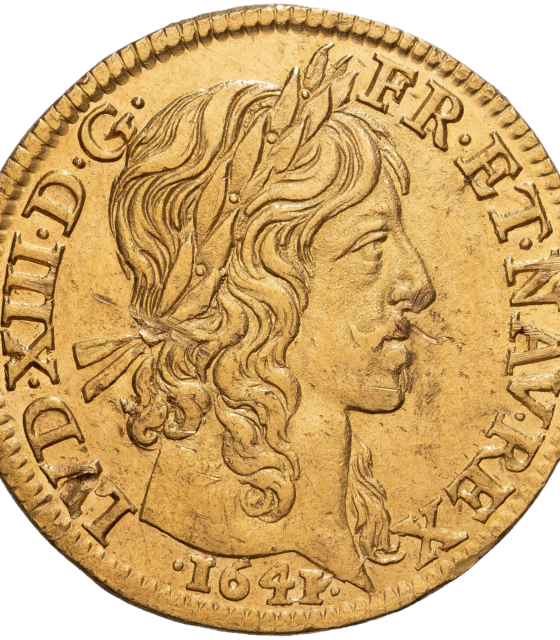
Auction · December 5, 2026
Eight-L Louis d'or, 1641, Louis XIII, France, Paris
€1,200.00
Practical information
Go to the catalogueAuction Day
Auction on Saturday 5 December 2026, starting at 10.00.
Viewing days
Viewing days from 23 to 28 November in Ghent. Saturdays: no appointment necessary.
Catalogue
Now online on Biddr, with photos, descriptions and estimates for each lot.
Collection
At one of our six branches or by post
Viewing days
Would you like to see the coins in person before bidding? From Monday 23rd to Saturday 28th November, you can come and view the coins, from 10.00 to 17.00, by appointment. From 23rd to 28th November, you can come and view the lots at our office in Ghent. Drop by on Saturday without an appointment.
Would you like your coins to tell a story too?
We auction carefully described coins for collectors both at home and abroad. Entries for the spring auction of 2027 can be submitted until 27 January 2027.